
Terminologie des Drapeaux : Chaque Mot Expliqué
Du canton au sautoir, le vocabulaire de la vexillologie en mots simples — chaque terme illustré par de vrais drapeaux nationaux.
Notions de base
Vexillology
Vexillology is the study of flags — their history, symbolism, design rules and usage. The word comes from the Latin "vexillum", the banner used by Roman cavalry. A person who studies or designs flags is called a vexillologist.
Flag ratio
The flag ratio is the official proportion between a flag's height and width. Common ratios are 2:3 (most of Europe and Latin America), 1:2 (the United Kingdom, Australia, New Zealand) and 1:1 (Switzerland and Vatican City). Ratio is one of the easiest ways to tell two similar flags apart.
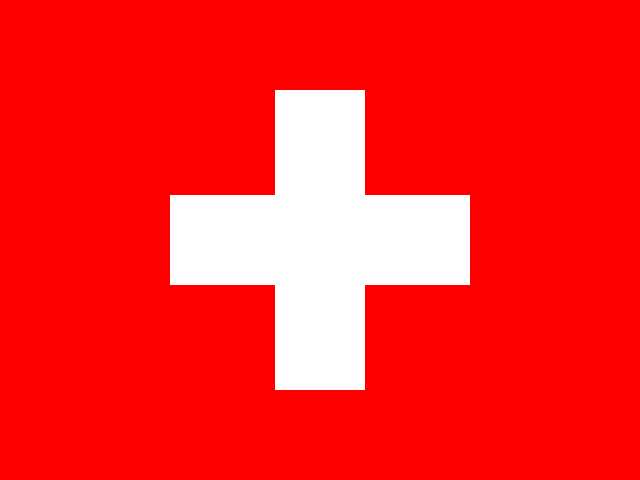 Switzerland — square 1:1 — the only square national flag besides Vatican City
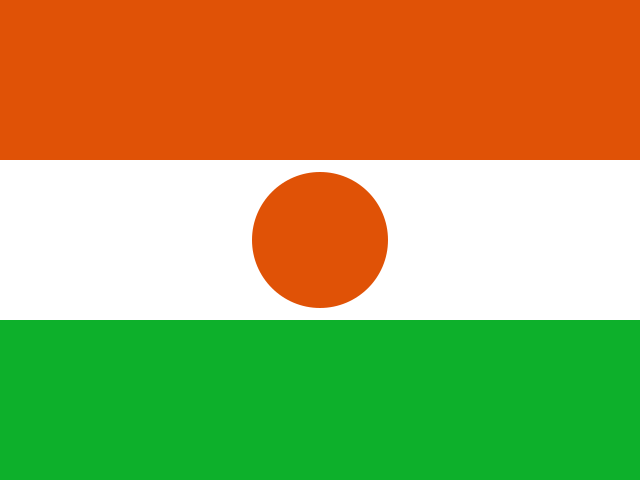 Niger — 2:3, the most common ratio worldwide
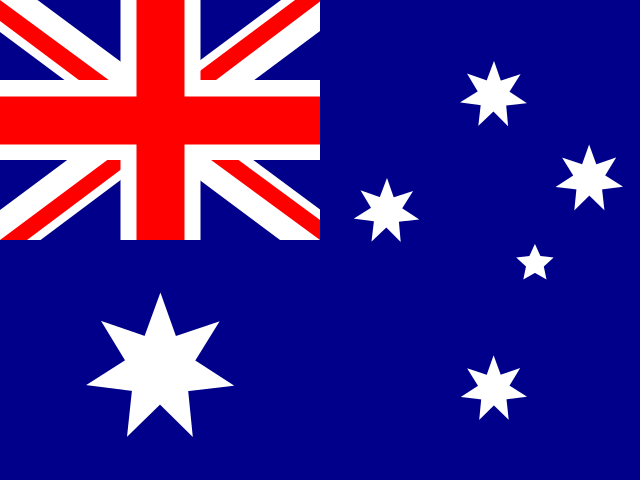 Australia — 1:2, twice as long as it is tall
Anatomie d'un drapeau
Canton
The canton is the upper hoist (top left) quarter of a flag — the position of honour. It usually carries stars, a cross or a union badge, and it is the first place to look when telling two similar flags apart.
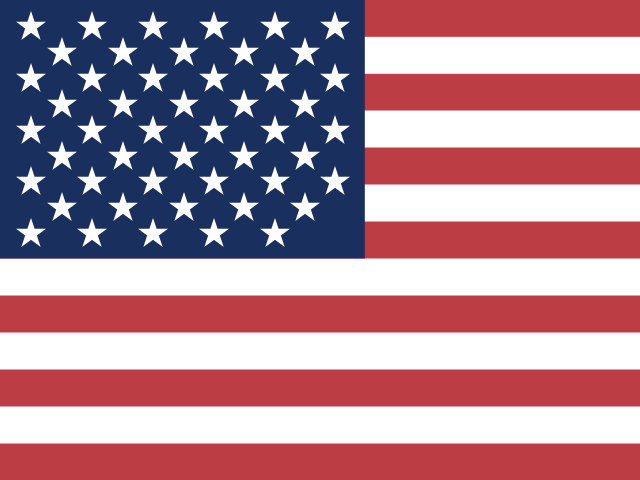 United States — 50 stars fill the canton
- Australia — Union Jack + Federation Star in the canton
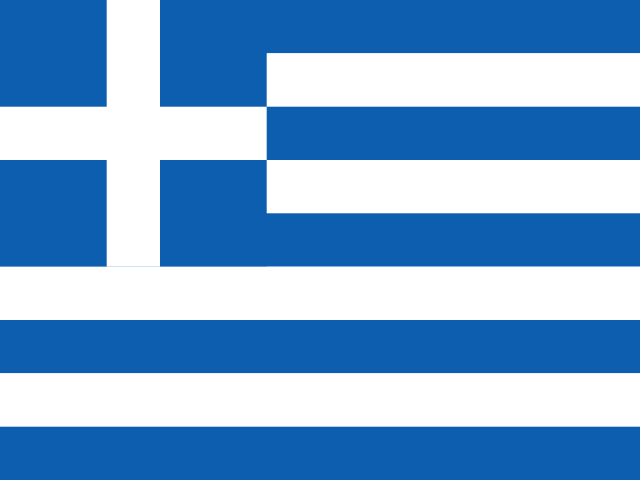 Greece — white cross on blue in the canton
Field
The field is the background area of a flag — everything behind the emblems and charges. Many lookalike flags share the same field colours, and only the order of the stripes or a single emblem separates them.
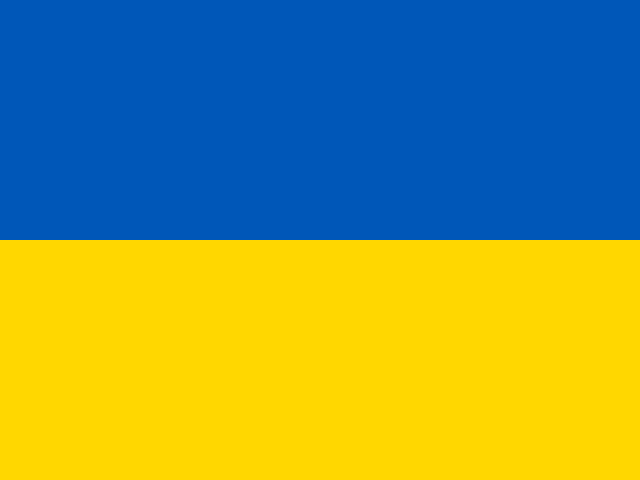 Ukraine — a field split into two horizontal bands
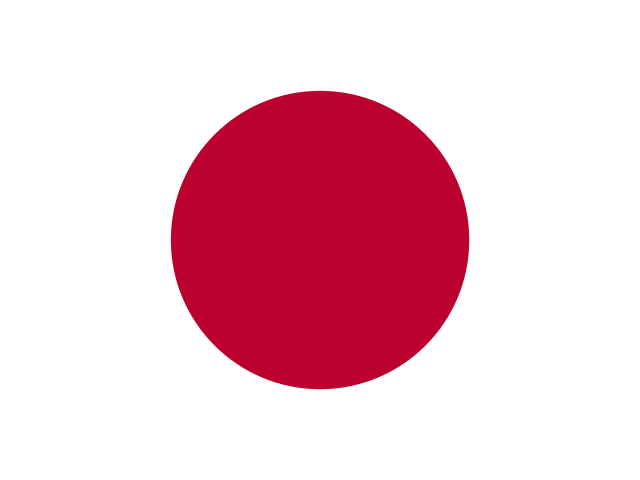 Japan — a plain white field with a single red disc
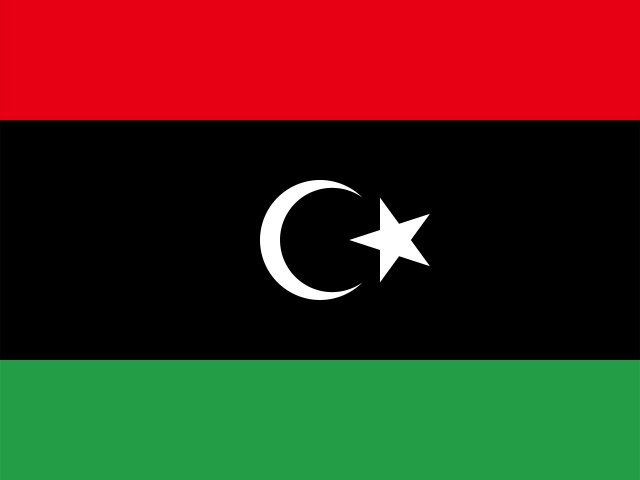 Libya — a tricolour field where the black band is double height
Charge
A charge is any emblem placed on the field: an eagle, a coat of arms, a star, a crescent, a sun. Charges usually appear on only one of two similar flags, which makes them the fastest difference to spot.
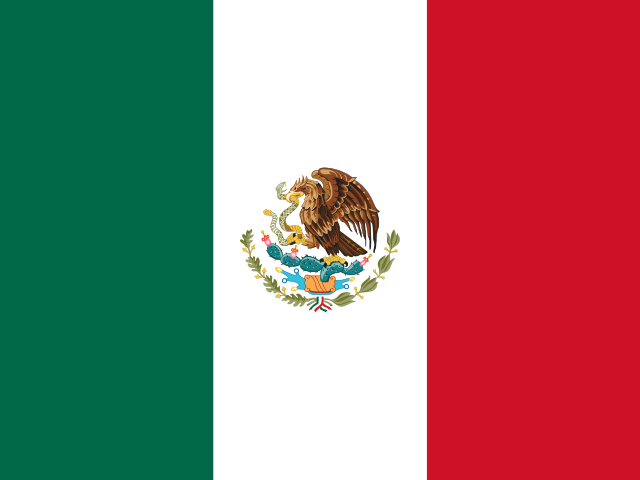 Mexico — eagle on a cactus charge at the centre
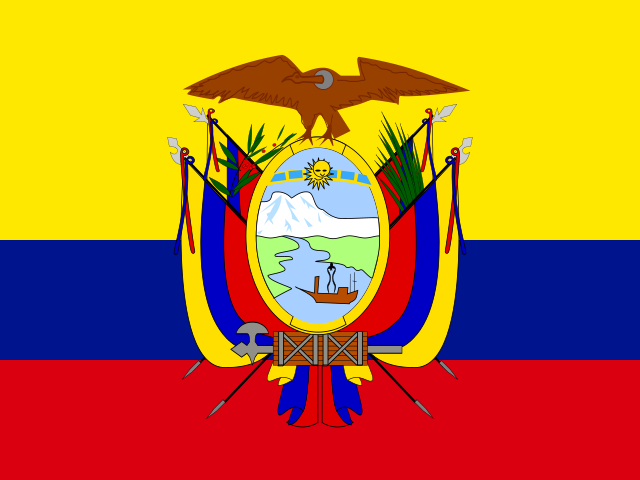 Ecuador — full coat of arms, unlike Colombia's simpler tricolour
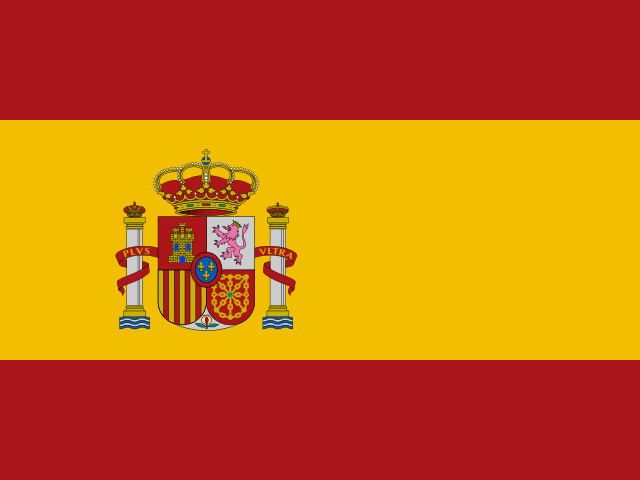 Spain — off-centred coat of arms sets it apart from other red-yellow-red flags
Hoist and fly
The hoist is the edge of the flag attached to the pole; the fly is the free edge that flutters. Descriptions like "the canton sits at the hoist" use these terms — and on a windy day, the fly side takes the most wear, which is why old flags fray there first.
- United States — the star canton sits against the hoist
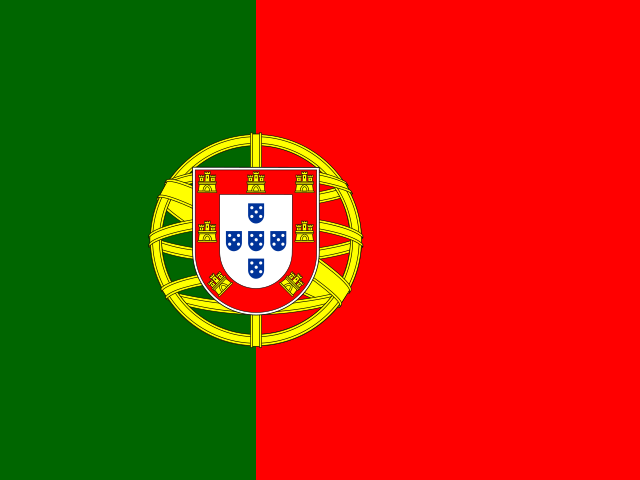 Portugal — armillary sphere and shield sit toward the hoist, leaving the fly plain
Saltire
A saltire is a diagonal cross in an "×" shape, running corner to corner. It is also called Saint Andrew's Cross. If you see diagonals instead of a "+" on a flag, you are looking at a saltire.
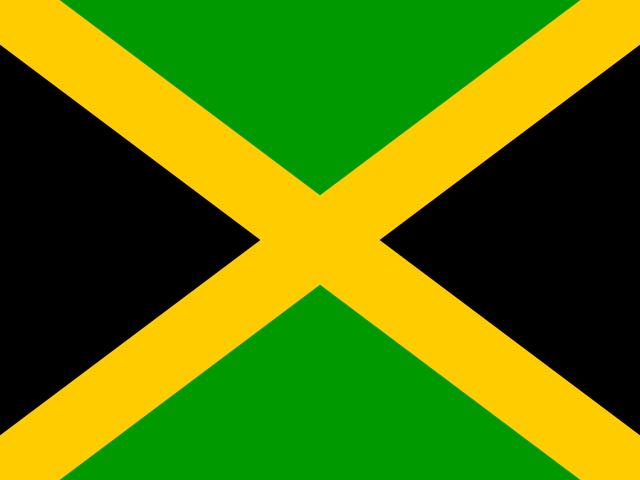 Jamaica — green and black triangles formed by a gold saltire
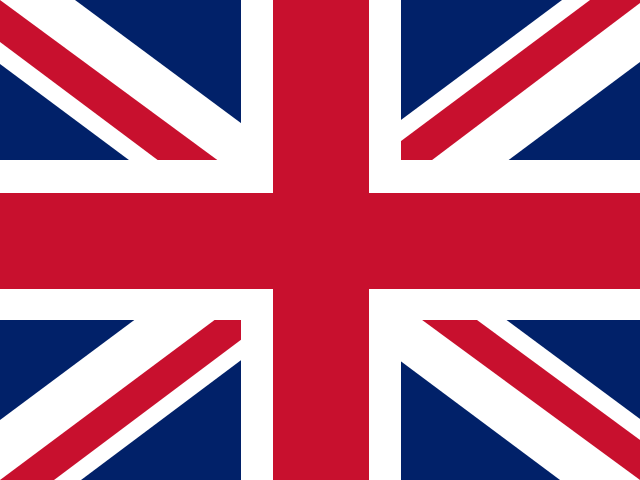 United Kingdom — white diagonal of St Andrew's Cross inside the Union Jack
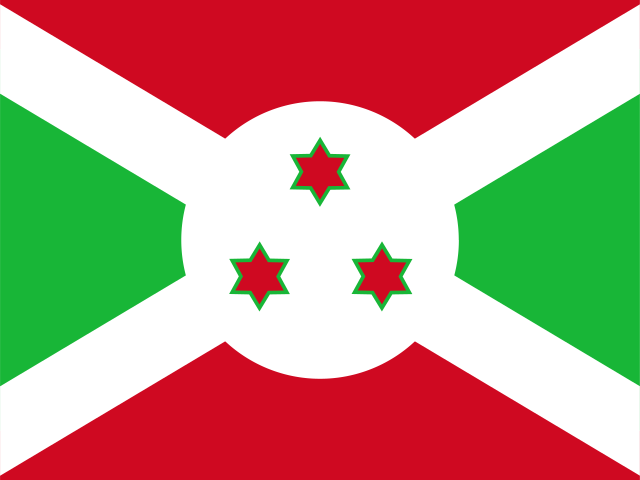 Burundi — white saltire behind a central emblem
Cross
A cross on a flag runs vertically and horizontally in a "+" shape. The Nordic cross variant is shifted toward the hoist. Crosses and saltires are a classic confusion pair — check the angles: "+" is a cross, "×" is a saltire.
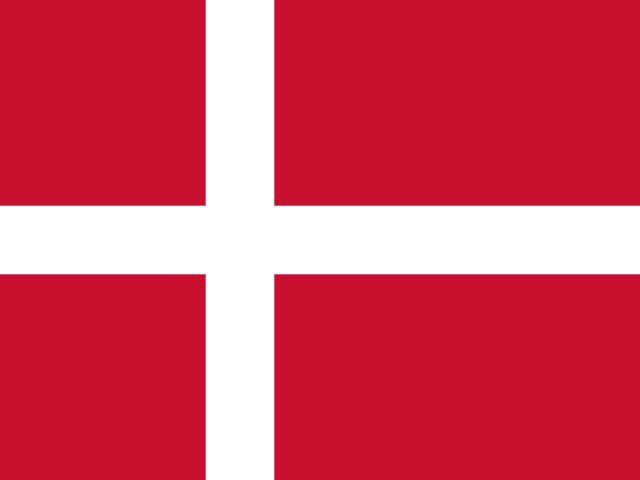 Denmark — the oldest continuously used Nordic cross flag
- Switzerland — a bold square cross at the centre
- Greece — white cross on the canton
Nordic cross
The Nordic cross is a cross flag whose vertical bar is shifted toward the hoist. All five Nordic countries use it, differing only in colour — which is exactly why Denmark, Norway, Iceland, Sweden and Finland get mixed up.
- Denmark — white cross on red
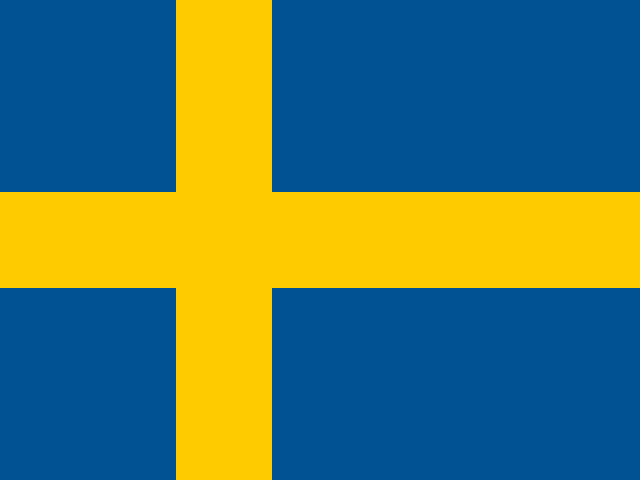 Sweden — yellow cross on blue
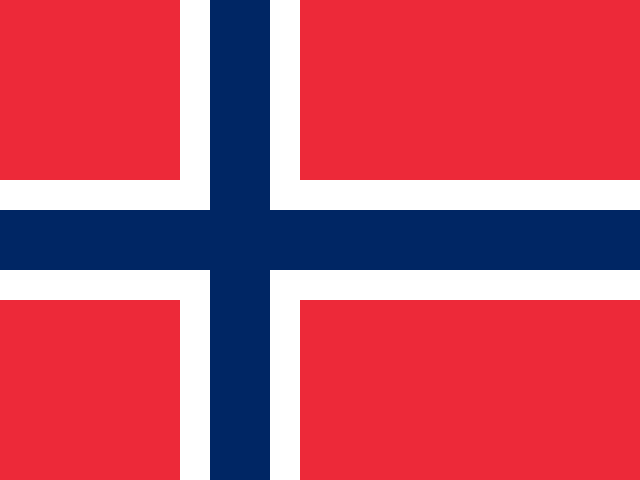 Norway — white-fimbriated blue cross on red — compare with Denmark
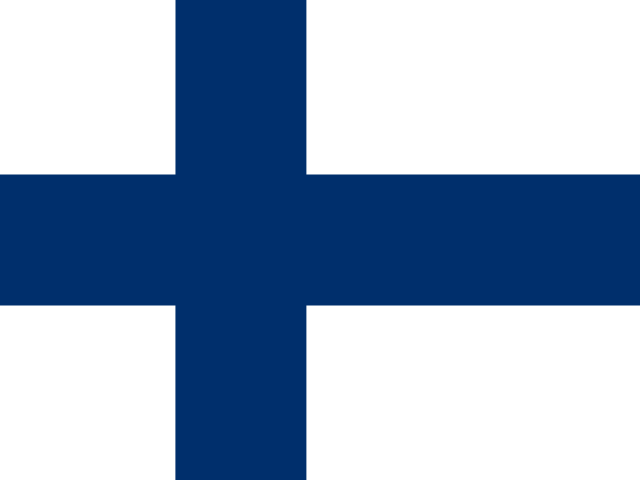 Finland — blue cross on white
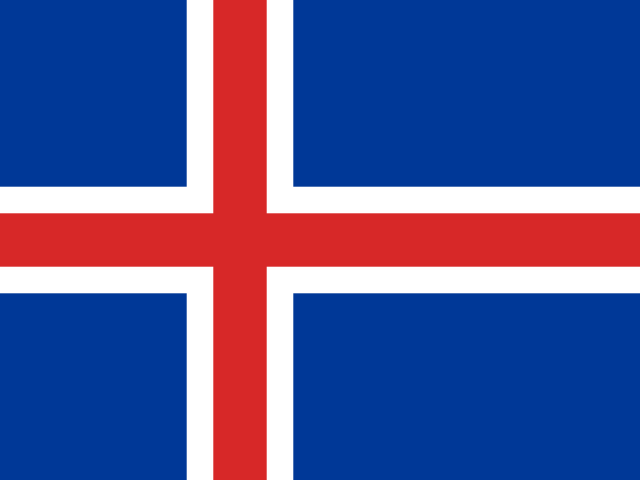 Iceland — red cross inside a white border on blue — compare with Norway
Fimbriation
Fimbriation is a narrow border added around a charge or stripe so that two similar colours do not touch. In heraldry it follows the "rule of tincture". The white edges around the blue diagonals of the Union Jack are fimbriation, and they are what most distinguishes related flags.
- United Kingdom — white fimbriation separates the red crosses from the blue field
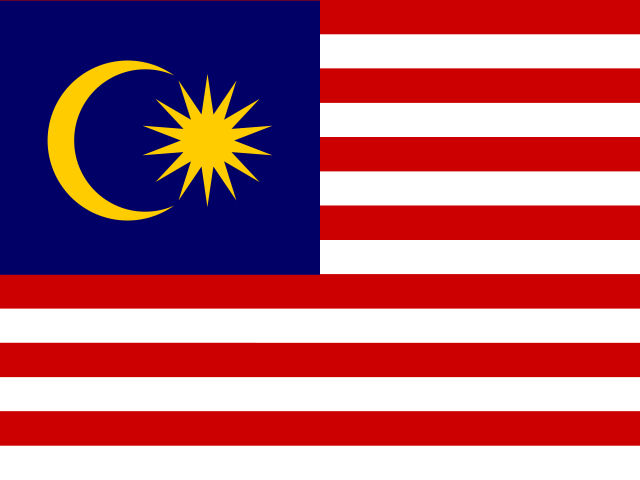 Malaysia — white fimbriation around the canton cross
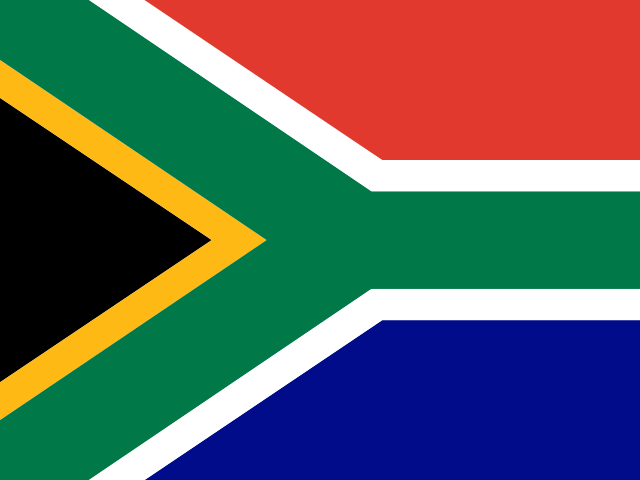 South Africa — gold and white fimbriation edges the green Y-shape
Pall
A pall is a Y-shaped figure: one central band that splits into two. On a flag it often unites parts of a country, as the green pall does on South Africa's flag, where it joins the hoist to the fly and symbolises the convergence of cultures.
- South Africa — the only national flag built around a pall
Types de drapeaux
Tricolour
A tricolour is a flag of three stripes, vertical (France, Italy, Romania) or horizontal (Russia, Netherlands, Germany). Dozens of countries use three-stripe flags in the same colours with a different order — the sequence is the difference.
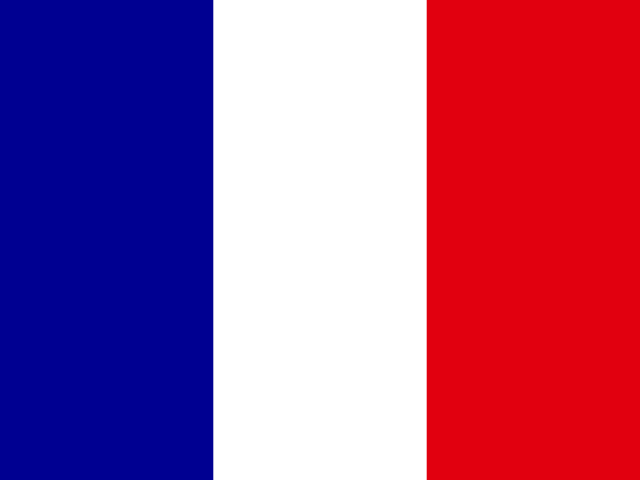 France — vertical blue-white-red
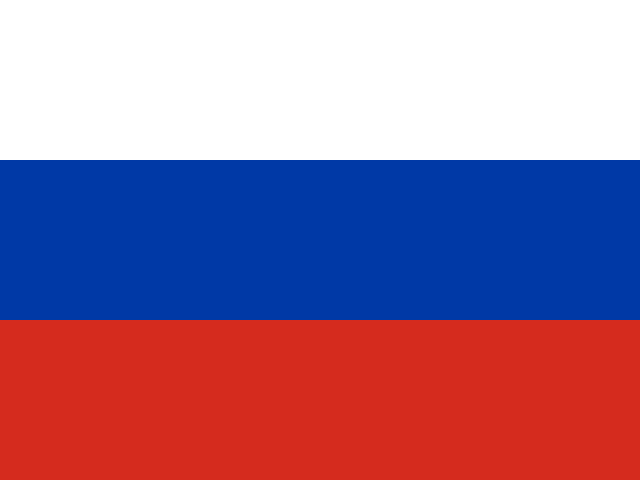 Russia — horizontal white-blue-red
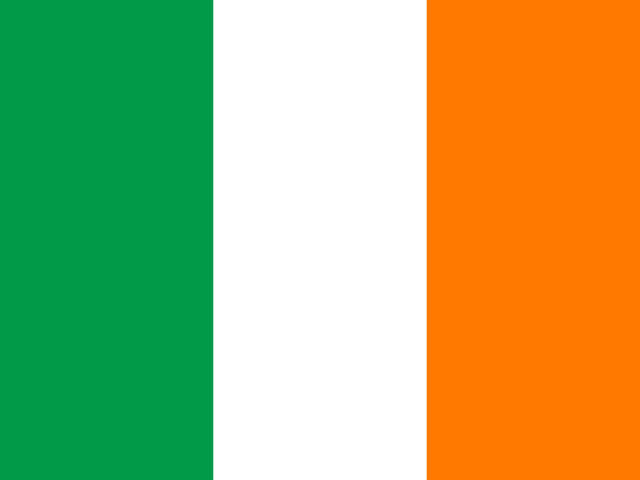 Ireland — vertical green-white-orange — mirror of Ivory Coast
Bicolour
A bicolour is a flag of two stripes or two fields. Indonesia and Monaco use the identical red-over-white; Poland uses white-over-red. With bicolours there is no emblem to help you — order and ratio are everything.
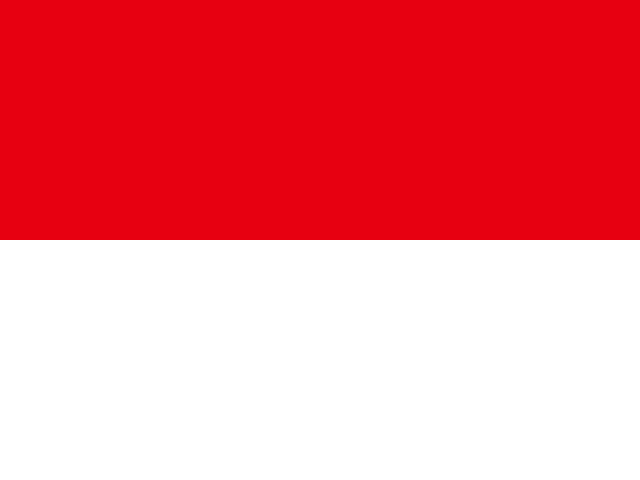 Indonesia — red over white
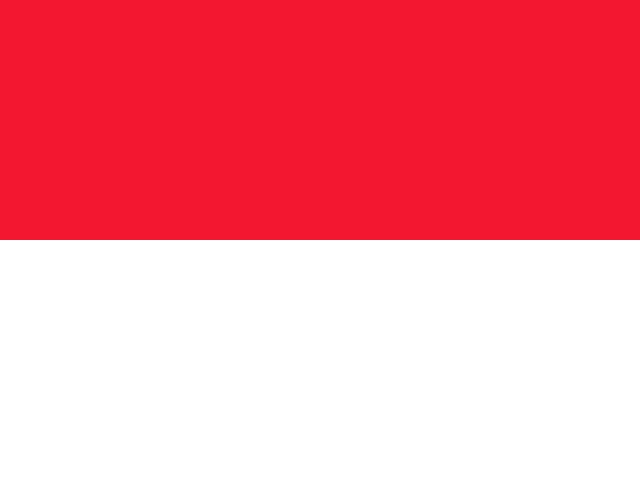 Monaco — identical to Indonesia, but 4:5 ratio
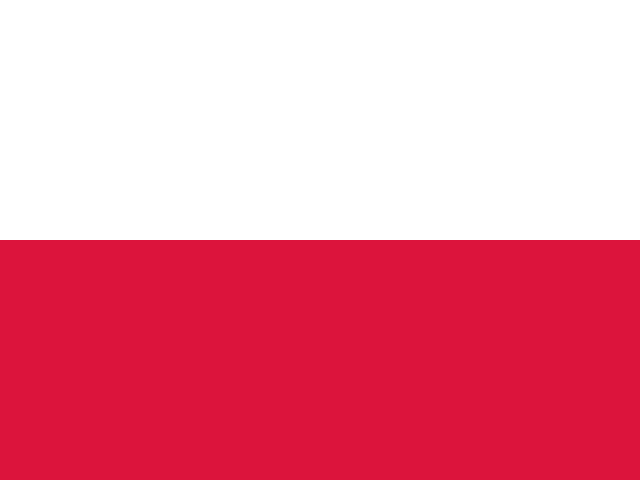 Poland — white over red — the reverse
Ensign
An ensign is the flag that marks a ship's or a nation's allegiance, especially at sea. Britain's Red, White and Blue Ensigns became the template for many national flags: Australia and New Zealand are both defaced Blue Ensigns.
- United Kingdom — the White Ensign is the Royal Navy's flag
- Australia — a defaced British Blue Ensign
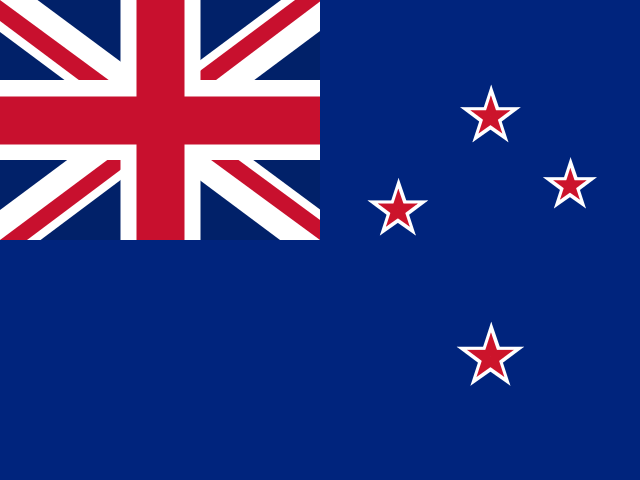 New Zealand — also a Blue Ensign — with red stars instead of the Commonwealth Star
Pennant
A pennant is a narrow flag that tapers to a point or swallowtail, flown by ships, clubs and militaries to signal rank or identity. It is defined by its elongated triangular shape rather than its colours.
Banner and standard
A banner is a flag-like cloth hung or carried for display, often square, and in heraldry it means a square version of a coat of arms. A standard is a personal flag of a monarch, president or military officer. Switzerland and Vatican City are the only countries whose national "banners" are square.
- Switzerland — square 1:1 banner form
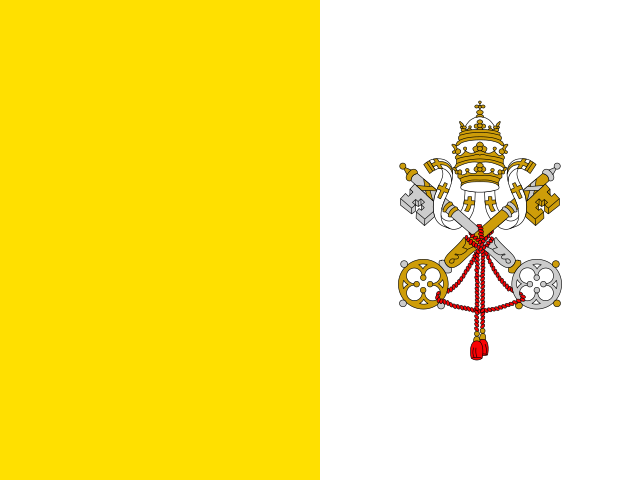 Vatican City — the only other square national flag
Defacement
In flag terminology, defacement is the practice of adding an emblem onto an existing flag design. Australia "defaced" the British Blue Ensign with the Commonwealth Star and Southern Cross — the exact difference between the Australian and New Zealand flags.
- Australia — Blue Ensign defaced with Commonwealth Star + Southern Cross
- New Zealand — Blue Ensign defaced with four red stars
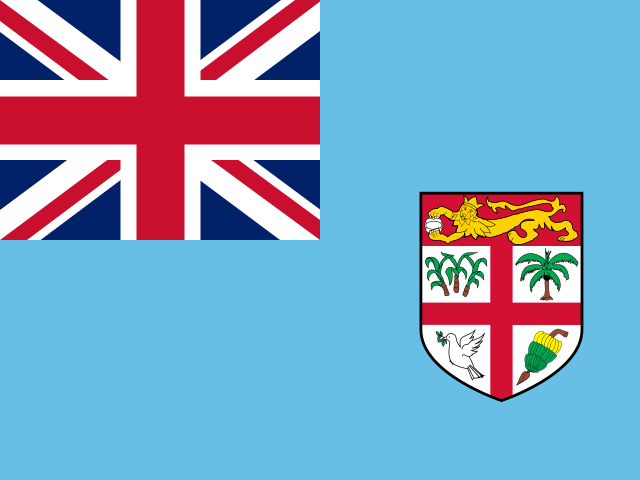 Fiji — Blue Ensign defaced with the national coat of arms
Les termes face à face
Les comparaisons de termes les plus recherchées, expliquées en une page.
Flag vs Banner
A flag is a piece of cloth attached to a pole along one edge and flown free in the wind. A banner is any decorative cloth displayed for a cause or identity — hung on a wall, carried in procession, or flown like a flag. Every flown flag works as a banner, but banners are often hung rather than flown, and are frequently square.
Flag vs Ensign
An ensign is a specific type of flag: the one that marks a ship's or a state's nationality, especially at sea. Every ensign is a flag, but most flags are not ensigns. If a flag is officially used to declare "which country this vessel or state belongs to", it is an ensign.
Flag vs Pennant
Shape is the difference: a flag is a rectangle flown from one edge, while a pennant tapers to a point or swallowtail and is much longer than it is tall. Pennants are used for naval signals, ranks and celebrations — "pennant race" in baseball comes from the championship pennant.
Saltire vs Cross
Look at the angles: a cross runs vertically and horizontally and meets in a "+"; a saltire runs diagonally corner to corner and forms an "×". Jamaica and Scotland use saltires; Denmark, Sweden and Greece use crosses.
FAQ sur la terminologie des drapeaux
Comment s'appelle l'étude des drapeaux ?
La vexillologie. Le mot vient du latin vexillum, l'étendard des unités de cavalerie romaines ; celui qui étudie ou conçoit des drapeaux est un vexillologue.
Comment s'appelle le coin supérieur gauche d'un drapeau ?
Le canton. C'est le quart supérieur côté hampe — la place d'honneur — qui porte généralement des étoiles ou une croix, comme sur les drapeaux des États-Unis, de l'Australie et de la Grèce.