
Flag와 Banner의 차이는?
두 단어 모두 상징적인 천을 뜻하지만, 게시 방식이 다릅니다. 한 줄 답변, 정의, 실제 예시를 담았습니다.
한 줄 답변
A flag is a piece of cloth attached to a pole along one edge and flown free in the wind. A banner is any decorative cloth displayed for a cause or identity — hung on a wall, carried in procession, or flown like a flag. Every flown flag works as a banner, but banners are often hung rather than flown, and are frequently square.
Flag
A flag is a piece of cloth, often decorated with an emblem, used as a visual signal or symbol. Flags are attached by one edge (the hoist) to a pole or halyard so the rest flies free.
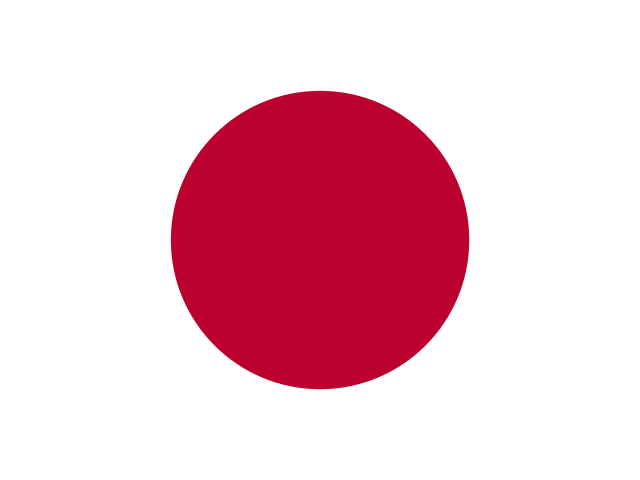 Japan — a classic flown flag
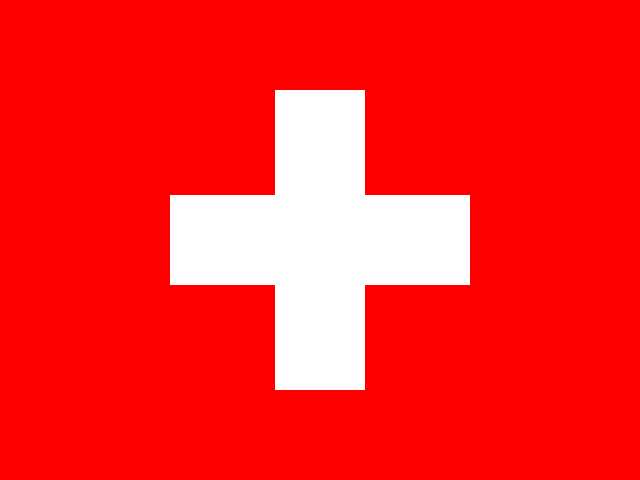 Switzerland — a square banner-form national flag
Banner
A banner is a flag or standard used by a military commander, and more broadly any cloth bearing a slogan or design, carried or hung for display. Heraldic banners are square, reproducing a coat of arms.
- Japan — a classic flown flag
- Switzerland — a square banner-form national flag
| Flag | Banner | |
|---|---|---|
| How it is displayed | Flown free from a pole by one edge | Hung from a crossbar, carried in procession, or flown |
| Typical shape | Rectangular (rarely square) | Often square or vertical in heraldic use |
| Primary meaning | National or organisational symbol | Display of a cause, person or coat of arms; also advertising |
| Example | The flag of Japan on a rooftop pole | A knight's heraldic banner, or a protest banner hung over a balcony |
국기 용어 자주 묻는 질문
Is a banner the same as a flag?
Not exactly. "Flag" specifically means a cloth flown free from a pole by one edge. "Banner" is broader: it covers hanging or carried display cloths, including square heraldic banners. In everyday English the two words overlap heavily.
Why are heraldic banners square?
Medieval heraldry fixed the banner's shape as a square reproducing the owner's coat of arms, so rank could be read at a glance. That tradition survives in the square flags of Switzerland and Vatican City.