
생트로스와 십자가의 차이는?
'+'인가 '×'인가? 자메이카, 스코틀랜드, 덴마크 국기에서 대각선 십자와 정십자를 구별하는 법을 배워보세요.
한 줄 답변
Look at the angles: a cross runs vertically and horizontally and meets in a "+"; a saltire runs diagonally corner to corner and forms an "×". Jamaica and Scotland use saltires; Denmark, Sweden and Greece use crosses.
Saltire
A saltire is a diagonal cross, also called Saint Andrew's Cross. Its arms run from corner to corner of the field, dividing the flag into four triangles.
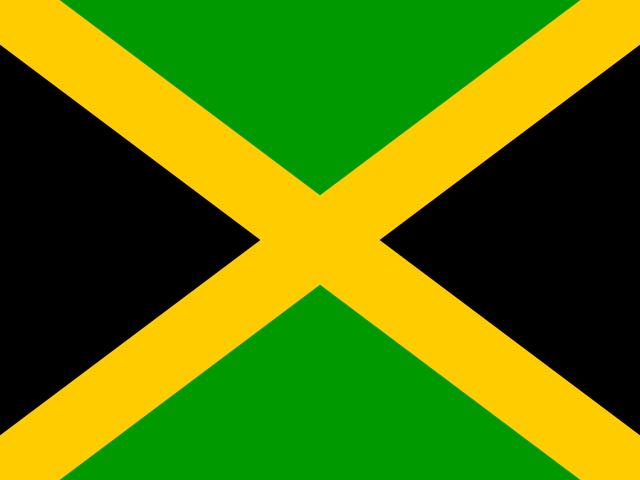 Jamaica — a gold saltire forming four triangles
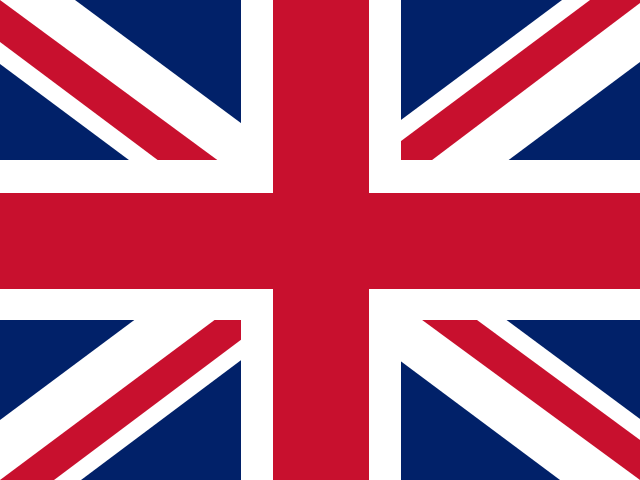 United Kingdom — crosses and saltires layered in one design
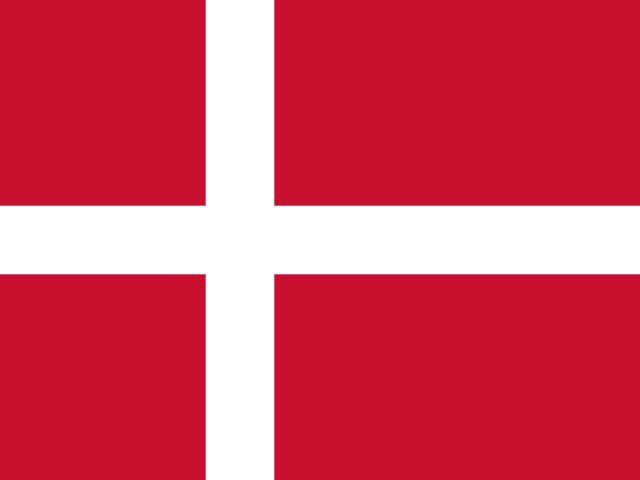 Denmark — a Nordic cross in a "+" shape
Cross
A cross on a flag has a vertical and a horizontal arm meeting in a "+". The Nordic cross shifts the vertical arm toward the hoist; the Greek cross has equal arms; the Latin cross has a longer lower arm.
- Jamaica — a gold saltire forming four triangles
- United Kingdom — crosses and saltires layered in one design
- Denmark — a Nordic cross in a "+" shape
| Saltire | Cross | |
|---|---|---|
| Geometry | Diagonal arms in an "×" | Vertical + horizontal arms in a "+" |
| Also called | Saint Andrew's Cross | Greek, Latin or Nordic cross depending on the variant |
| Flag examples | Scotland, Jamaica, Burundi | Denmark, Greece, Switzerland, the Union Jack's central crosses |
| What it divides the field into | Four corner triangles | Four edge rectangles |
국기 용어 자주 묻는 질문
Is the Union Jack a cross or a saltire?
Both. It layers three crosses: the red cross of St George (+), the white saltire of St Andrew (×) and the red saltire of St Patrick (×). The white diagonal you see behind the red diagonal is fimbriation around a saltire.
Why do Jamaica and Scotland look similar in structure?
Both use a saltire dividing the field into four triangles. Scotland's is white on blue; Jamaica's is gold with green and black triangles. Same geometry, different colours.